


QA used to end at deployment. Now that’s where it begins.
It’s release day. Your app is live in 47 countries. A user in Singapore taps a button sequence you never tested. The feature breaks — silently. But within seconds, your monitoring catches the anomaly. Your team gets an alert. Eight minutes later, you’ve rolled back the change. Most users never noticed.
This is shift-right testing: QA for software that never stops moving, where production isn’t the finish line — it’s the most important testing environment you have.
Sounds risky? Maybe even reckless? Here’s why it’s not only plausible — it’s already happening. The infrastructure exists. Observability platforms can now track millions of user interactions in real time. AI can spot anomalies before they cascade. Feature flags and canary deployments let you test with surgical precision. And the biggest validation? The teams already doing this aren’t seeing more failures — they’re seeing faster recovery and deeper insights than traditional QA ever delivered.

Why Now? The Forces Reshaping QA
TestGuild and Talent500 are calling shift-right the defining QA trend for 2025, and the momentum is undeniable. Across industry forums and social platforms, testers and developers are actively experimenting with how AI and human testers can collaborate for safer, smarter releases in production.
The driver isn’t just technology — it’s reality. Modern software deploys dozens of times daily. Features hide behind flags. Users interact with your product in ways no staging environment can replicate. As TestRail’s 2024 trend analysis observes, teams are discovering that the most meaningful insights come from real-world usage, not theoretical test cases.
The old model assumed we could catch everything before launch. The new model accepts we can’t — and builds systems to learn and adapt continuously once we ship.
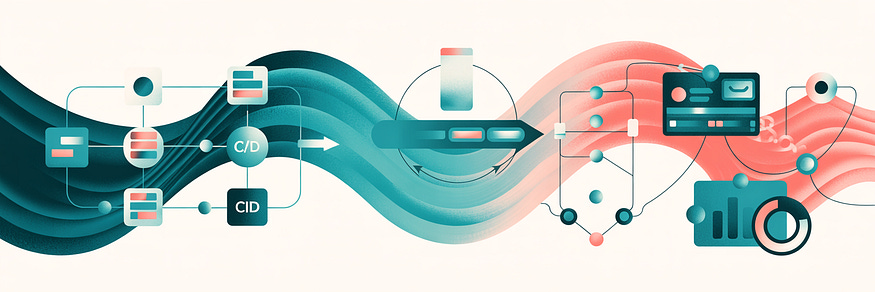
Shift-Right Doesn’t Replace Shift-Left — It Completes It
Let’s be clear: shift-right isn’t abandoning shift-left. It’s not an either-or choice. Think of it as bookending your testing strategy.
Shift-left remains essential. You still need unit tests catching logic errors during development. Integration tests validating component interactions before merge. Automated checks in CI/CD preventing broken builds. Security scanning in the pipeline. All of this prevents entire categories of bugs from ever reaching production — and that’s exactly what you want.
But here’s what shift-left can’t do: it can’t tell you how 10,000 concurrent users will actually behave. It can’t predict that users on a specific mobile carrier will experience latency issues. It can’t catch the edge case where a third-party API changes behavior without warning. It can’t reveal that a feature you think is intuitive is actually confusing 40% of users who attempt it.
Shift-right fills that gap. It’s the recognition that no matter how thoroughly you test earlier, production will surprise you. The smartest teams now test at both ends:
Shift-left prevents the predictable. Catch syntax errors, broken integrations, security vulnerabilities, and performance regressions before deployment.
Shift-right learns from the unpredictable. Monitor how real users interact with real data on real infrastructure, and adapt continuously.
Together, they create a complete testing lifecycle. You minimize known risks before shipping, then stay vigilant for unknown risks after shipping. It’s not more testing — it’s smarter testing, applied where each approach has the most impact.
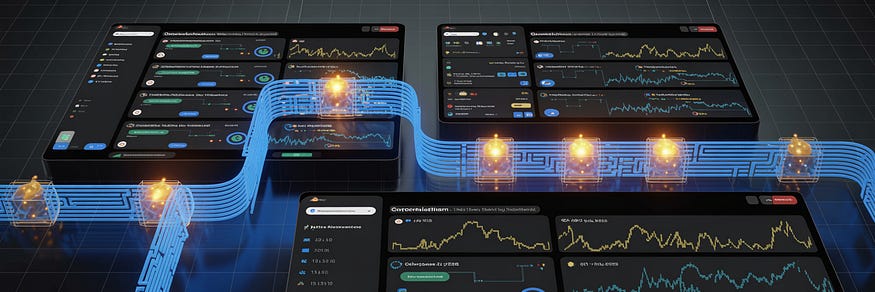
Real-Time Monitoring: The New Testing Stack
Shift-right runs on observability. Modern QA teams now deploy monitoring stacks that would have seemed like science fiction a decade ago — tracking everything from user session flows to memory consumption patterns to API latency distributions across geographic regions.
Tools like Datadog, New Relic, and Prometheus have become as essential to testers as Selenium once was. But the real art isn’t collecting data — it’s extracting signal from noise.
Consider this scenario: Your login failure rate jumps 40% in a single hour. Traditional monitoring alerts you. But AI-powered analysis traces the issue to users on a specific browser version, correlates it with a dependency update you pushed two hours ago, and surfaces the connection before your support team gets flooded with tickets. You deploy a hotfix targeting that configuration. Crisis averted.
As one testing engineer noted recently, combining AI pattern recognition with human intuition is making post-deployment QA safer than ever. AI excels at spotting patterns across millions of data points. Humans excel at understanding context, making judgment calls, and knowing when an anomaly is noise versus a five-alarm fire.

The User Feedback Revolution
Here’s the uncomfortable truth we’re finally embracing: your users will find bugs you never imagined. They’re your largest, most creative, most chaotic test team — and they’re testing in an environment you can never fully replicate.
The question isn’t whether to use user feedback for QA. It’s how to systematize it.
Leading teams now build automated pipelines for feedback analysis. In-app reporting tools that create tickets automatically. Sentiment analysis across social channels. Support conversation mining that identifies emerging patterns before they become trends. When Spotify detected a 300% spike in playback errors through production telemetry, they traced it to a CDN configuration issue and resolved it in under ten minutes — before the problem could trend on social media.
As Talent500 emphasizes, real-time feedback integration has evolved from a support function to a foundational pillar of modern QA. Teams that excel at shift-right treat every user complaint as an early warning system, feeding insights back into development cycles within hours, not weeks.
The impact is measurable. Organizations that automate user feedback capture and integrate it with technical telemetry often cut their mean time to resolution by half or more.

AI and Humans: An Unlikely Partnership
The hype says AI will replace human testers. The reality is far more interesting.
AI brings unprecedented scale — analyzing millions of user sessions, detecting subtle pattern shifts, running continuous regression checks against production traffic. It can work 24/7 across every environment simultaneously, never tiring, never missing a log entry.
But AI can’t feel the frustration of a confusing interface. It can’t understand why users might abandon a flow, or recognize when a technically “correct” behavior creates a terrible experience. It can’t make the nuanced judgment call about whether an edge case matters.
The most effective QA teams use AI as a filter and amplifier. AI surfaces anomalies, prioritizes issues by impact, and automates routine checks. Humans bring empathy, context, and strategic thinking. TestGuild’s recent survey found that 73% of organizations experimenting with shift-right now blend AI-driven monitoring with human exploratory testing — and they’re seeing fewer catastrophic releases, faster recovery times, and measurably higher user trust.
Isn’t Testing in Production… Dangerous?
Yes — if you do it recklessly. But shift-right isn’t about cowboy deployments and hoping for the best.
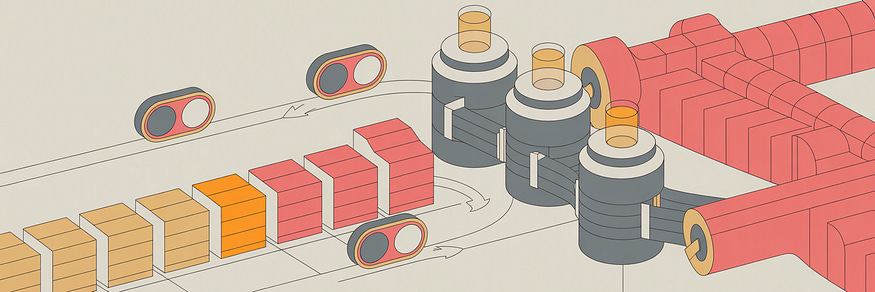
Modern shift-right practices lean heavily on safety mechanisms: feature flags that let you activate changes for 1% of users, canary deployments that roll out gradually while monitoring key metrics, circuit breakers that automatically halt problematic changes, and instant rollback capabilities.
Think of it as controlled exposure rather than blind risk. You’re not abandoning pre-production testing — you’re acknowledging that some insights only emerge under real-world conditions, and you’re building the infrastructure to learn safely.
The Culture Shift Nobody Talks About
Technology is the easy part. Culture is where shift-right lives or dies.
Shift-right demands humility — accepting that your best test plans will miss things. It requires breaking down silos between development, QA, operations, and support. Everyone owns quality, not just before launch, but continuously.
It means redefining success. A flawless launch matters less than fast, graceful recovery. Teams celebrate reducing MTTR as much as preventing bugs. “Done” no longer means “deployed” — it means “monitored, measured, and improving.”
This cultural shift challenges decades of software industry thinking. But teams that embrace it find something unexpected: a sense of partnership with their users, rather than anxiety about judgment day.
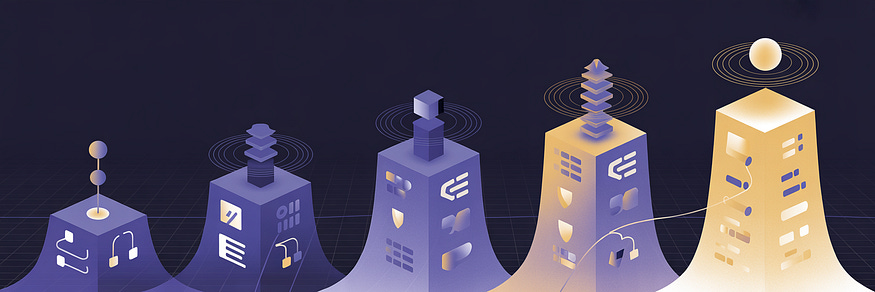
Getting Started: Five Concrete Steps
Ready to shift right? Start here:
Instrument everything meaningful. Add logging and metrics to critical user paths. You can’t respond to what you can’t see.
Build a feedback pipeline. Connect user reports directly to your issue tracking. Make it frictionless for users to report problems and for your team to capture context.
Start with shadows. Run production monitoring alongside your existing QA process. Learn what insights emerge before you restructure everything.
Invest in safe deployment. Implement feature flags and canary releases. Make it possible to test changes with minimal blast radius.
Create a weekly learning ritual. Review production incidents not to assign blame, but to extract insights. What did we learn? What should we monitor differently?
The Wild Awaits
Shift-right isn’t a buzzword — it’s a recognition that software quality happens in production, shaped as much by real users as by our code. The teams that thrive will be those who stop trying to control every variable and instead build systems that learn, adapt, and improve in the messy reality of the wild.
The future of QA isn’t catching every bug before launch. It’s building resilient systems and responsive teams that get stronger with every deployment.
The question isn’t whether you’re ready to test where it really matters. It’s whether you can afford not to.