
7 Habits of a Successful Software Tester (2025 Edition)
How AI and Modern Technology Have Transformed Testing Excellence

Ioriginally wrote this article in 2022, but so much has changed in just three years that I felt it needed a complete refresh. The AI revolution has fundamentally transformed how we approach software testing, and while the core principles remain solid, the implementation and tools have evolved dramatically.
As software testing continues to evolve with AI and emerging technologies, certain habits distinguish exceptional testers from average ones. After years in the industry, including my transition from military service in the US Navy submarine force to avionic engineering and eventually to software testing and automation, I’ve observed how the fundamentals remain constant even as our tools transform.
Working across public and private sectors has shown me that while implementation differs, core testing principles transcend industry boundaries. Here are the seven essential habits for today’s successful software tester, updated for our AI-enhanced landscape.

1. Focus on the Customer Experience
Your primary mission as a software tester remains unchanged: deliver exceptional customer experiences. However, the scope has expanded significantly. Today’s testers must consider not just traditional workflows, UI/UX, accessibility, and performance, but also AI-driven interactions, personalization accuracy, and ethical implications of automated decision-making.
Modern customer personas now include how users interact with AI features, their comfort levels with automation, and their expectations for intelligent systems. When planning testing for new features, ask yourself: Does this AI recommendation serve the customer? Is the chatbot response helpful or frustrating? Does the predictive feature respect user privacy while adding value?
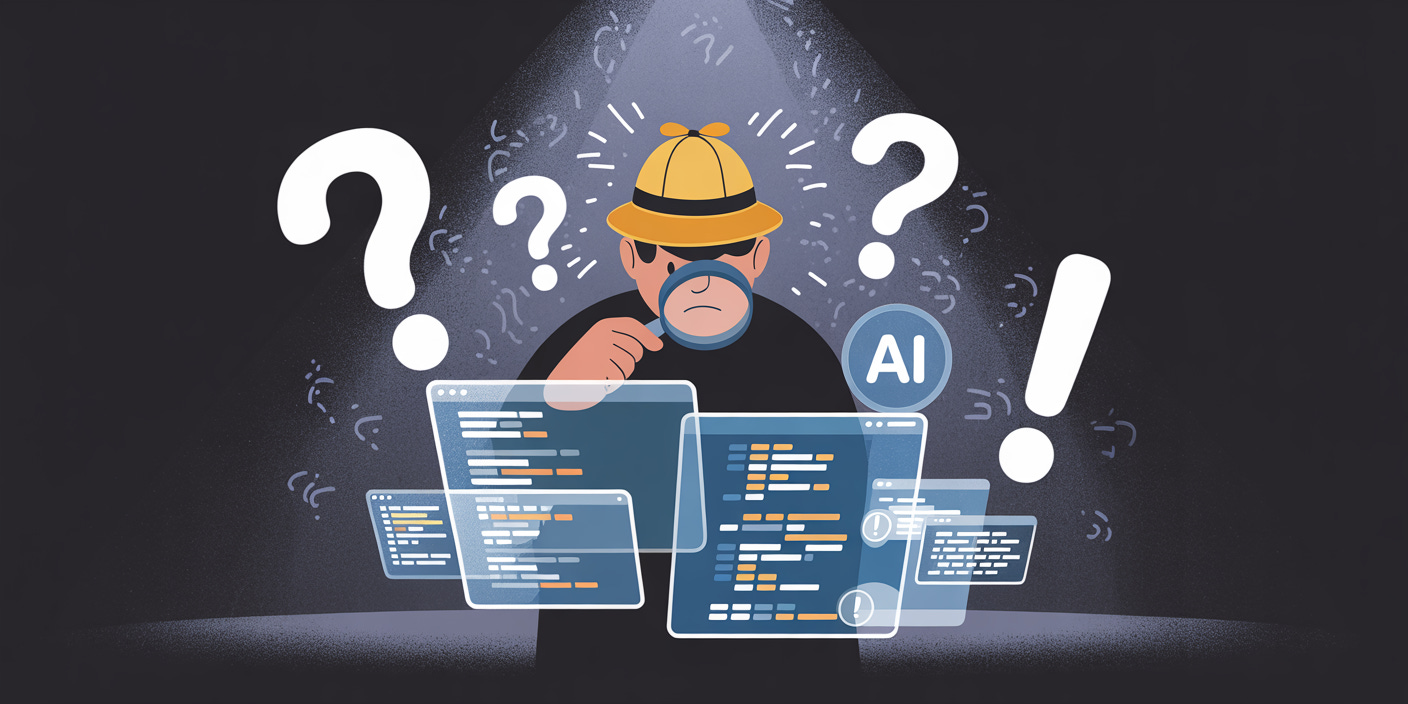
2. Maintain a Questioning Mindset (Now More Critical Than Ever)
The questioning mindset has become exponentially more important in the age of AI. Never assume an AI-generated output is correct just because it appears plausible. LLMs can hallucinate, recommendation engines can amplify bias, and automated systems can fail in unexpected ways.
Your detective work now extends beyond traditional edge cases to include:
Prompt injection vulnerabilities in AI features
Bias and fairness in ML model outputs
Explainability of automated decisions
Behavior of AI features with adversarial inputs
Hallucination detection in generative AI components
Creative, out-of-the-box testing is no longer optional when AI is involved. It’s essential.

3. Embrace AI as Your Testing Copilot
AI has transformed from something we test to something that helps us test. Successful testers in 2025 leverage AI tools strategically:
AI-Assisted Test Generation: Use AI to generate test cases, identify edge cases you might have missed, and create test data. Tools can now analyze requirements and suggest comprehensive test scenarios.
Intelligent Test Maintenance: AI can help identify flaky tests, suggest fixes for broken automation, and even auto-heal simple locator issues. This frees you to focus on strategic testing rather than maintenance drudgery.
Enhanced Monitoring: Modern dashboards use AI to detect anomalies, predict potential failures, and surface patterns humans might miss. Where I once manually diagnosed that every-fourth-run failure pattern, AI monitoring can now alert you proactively.
Code Review Assistance: AI can review your automation code for best practices, security vulnerabilities, and potential improvements.
The key is using AI as an augmentation tool, not a replacement. Your expertise guides the AI, validates its outputs, and catches what it misses.

4. Data-Driven Decision Making (With AI Analytics)
Being data-driven now means harnessing AI-powered analytics. Modern testers don’t just collect data; they leverage intelligent systems to extract insights:
Predictive Analytics: Identify which areas of the application are most likely to contain defects based on historical patterns
User Behavior Analytics: AI can process vast amounts of user interaction data to identify testing priorities and real-world usage patterns
Test Coverage Intelligence: Understand not just what you’re testing, but what you should be testing based on risk analysis
Performance Baseline AI: Systems that learn normal application behavior and automatically flag anomalies
You still need to understand the data and validate AI insights, but the scale and sophistication of analysis available today is unprecedented. The tester who can interpret AI-generated insights and translate them into testing strategy has a significant advantage.

5. Continuous Learning in the AI Era
Technology evolution has accelerated dramatically. Today’s successful tester must stay current with:
AI and ML Fundamentals: Understanding how LLMs work, what causes model drift, and basic ML concepts is now essential, even if you’re not building the models. You need to know what questions to ask.
Modern Testing Approaches: Shift-left testing, continuous testing in CI/CD pipelines, chaos engineering, and AI-assisted testing methodologies.
Updated Certifications: ISTQB and other certification bodies now offer AI testing specializations. Consider certifications in AI testing, security testing, and performance engineering.
Community Learning: Join testing communities focused on AI, follow thought leaders experimenting with AI testing tools, and participate in discussions about testing challenges in the AI age.
Hands-On Practice: Set up AI-powered testing frameworks, experiment with prompt engineering for test generation, or contribute to open-source projects that involve testing AI features.
Cross-Functional Skills: Understanding DevOps, security principles, and data science basics helps you collaborate more effectively and expand your testing perspective.
The half-life of technical knowledge is shorter than ever. Dedicate time weekly to learning, not just monthly or yearly.

6. Documentation with AI Enhancement
Documentation remains crucial, but how we create and maintain it has evolved. AI can now help generate initial documentation, but human review and context remain essential.
Modern documentation practices include:
Clear, reproducible bug reports with automated screen recordings and session replay links
Comprehensive test case documentation that both humans and AI agents can understand
Well-commented automation code that explains the “why” behind test logic, not just the “what”
Living documentation that evolves with the application, potentially with AI assistance in keeping it current
Visual documentation using automated screenshots, flowcharts, and diagrams
Documentation principles for 2025:
Write for AI assistance: Structure your documentation so AI tools can help maintain and expand it
Maintain human context: AI can help draft, but you must add the crucial context about why decisions were made
Create self-service resources: Enable team members to find answers without always asking you
Document AI behavior: When testing AI features, document not just expected behavior but observed variability and edge cases
Your documentation serves multiple audiences now: your future self, new team members, AI coding assistants, and automated systems that might process it.

7. Strategic Steadfastness with Risk Intelligence
Deadline pressure hasn’t disappeared, but you now have better tools to assess and communicate risk. Modern testers use risk-based testing frameworks enhanced by AI predictions to make informed decisions about what can ship and what cannot.
When pressured to skip testing:
Use data to show the risk level of releasing without adequate testing
Leverage AI-powered risk assessment tools to identify high-risk changes
Propose smart compromises like automated smoke tests followed by comprehensive testing post-release
Document the decision and agreed-upon risks in writing
Advocate for process improvements:
Implement shift-left testing so issues are caught earlier
Use AI-powered code analysis to reduce defects before they reach QA
Establish clear testing entry criteria so work arrives ready to test
Create feedback loops that help developers understand the true cost of technical debt
The most successful testers in 2025 are strategic partners who use data and intelligence to guide teams toward quality, not gatekeepers who simply say “no.”

Bonus Habit: Ask Questions (And Know When to Ask AI)
Asking questions remains vital, but now you have an additional resource: AI assistants that can provide instant context, explain unfamiliar concepts, or help you understand complex code. However, human expertise and institutional knowledge are irreplaceable.
Know when to ask humans:
Business context and strategic decisions
Company-specific processes and politics
Nuanced judgment calls
Building relationships and team dynamics
Know when to ask AI:
Technical explanations of unfamiliar frameworks
Quick code reviews or understanding code snippets
Brainstorming test scenarios
Learning new concepts or technologies
The best testers in 2025 skillfully balance both resources, understanding the strengths and limitations of each.
Looking Forward
Software testing in 2025 is more complex but also more empowered than ever. AI gives us superpowers, but it’s our judgment, creativity, and commitment to quality that make us truly valuable. These seven habits form the foundation for success in this new era.
The testers who thrive are those who embrace AI as a tool while maintaining the critical thinking, customer focus, and quality advocacy that have always defined great testing. Technology may change, but the mission remains: deliver software that delights users and meets their needs reliably.
What habits have you found essential for success in modern software testing? I’d love to hear your perspective as we continue navigating this evolving landscape together.